
ACADEMIC PROGRAMS
Early Education Unit
Ma. Nelia P. Emmanuel
AP for Early Education
: apeed@adi.edu.ph
: 333-3189 ext. 5110
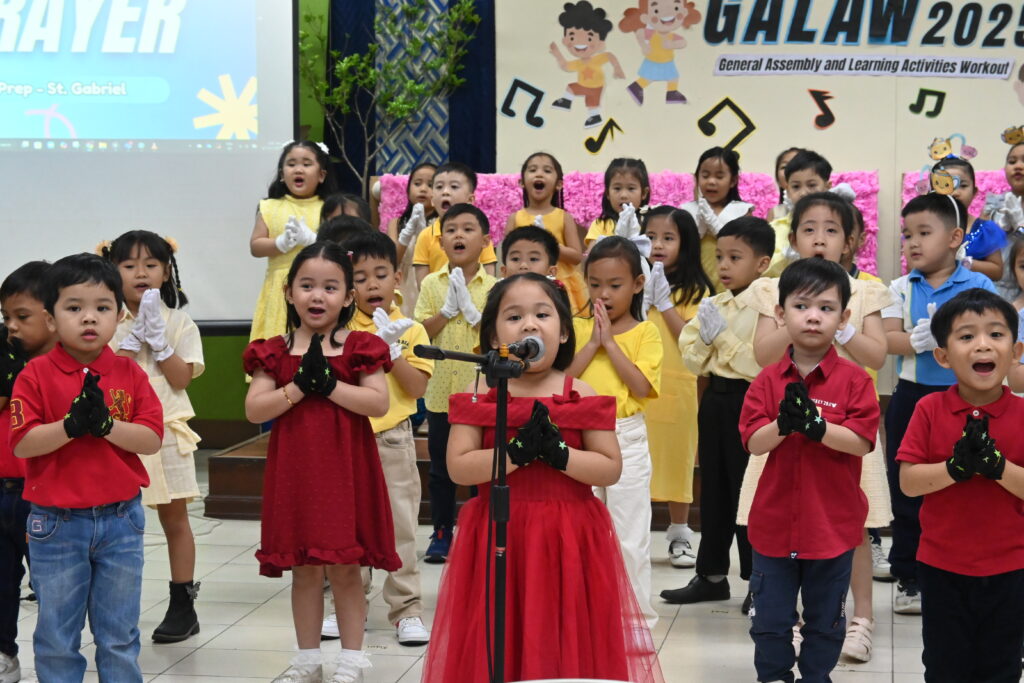
Early education is a vital stage in a child’s development, emphasizing exploration and discovery across key developmental domains—physical, social-emotional, cognitive, affective, and creative. To support the holistic growth of young learners, this program is designed to be age-appropriate, aligned with developmental milestones, and responsive to the needs of each child.
Learning experiences are both structured and unstructured, conducted individually and in groups, and held in both indoor and outdoor settings. Activities such as games and the use of manipulatives encourage engagement, curiosity, and the development of foundational skills.
The program also highlights the importance of strong collaboration between school and home, ensuring that learning and growth continue across all environments. Through this partnership, children are nurtured not only academically but also in character and emotional well-being.
As the saying goes, “All I really need to know, I learned in Kindergarten.” These formative years—ages four to five—mark the beginning of a lifelong journey of learning. It is during this time that children begin to develop not just intellectually, but also in heart and hands, laying the foundation for well-rounded, lifelong growth.
CORE LEARNING AREA STANDARDS
The learners, in the long run and on their own, should have:
- Manifested physical development
Demonstrated gross and fine motor coordination through play and manipulative activities such as games, simple chores, and other physical engagements.
(Core Value: CHARACTER)
- Achieved personal and social development
Engaged in positive social behaviors, including the formation of healthy habits, independence, and the ability to follow procedures and routines.
(Core Values: COMMUNITY, COMPETENCE, CHARACTER)
- Grown in spiritual and moral awareness
Participated in meaningful experiences that foster love and appreciation for God, St. Ignatius, Mary, self, others, and community, along with the development of emotional awareness and a sense of right and wrong.
(Core Values: CONSCIENCE, CHARACTER, CHRIST-CENTEREDNESS)
- Acquired cognitive development
Gained communication, writing, sensory-perceptual, and numeracy skills essential for intellectual growth.
(Core Value: COMPETENCE)
- Developed creative and aesthetic expression
Explored sounds, music, and rhythm, and expressed creativity through drawing, painting, and hands-on activities.
(Core Values: COMPETENCE, CULTURE)
KINDERGARTEN – SUBJECT AREA STANDARDS
ENGLISH
The child demonstrates emerging literacy and communication skills through:
- Conversational Skills: Engaging in basic conversations and expressing ideas clearly.
- Phonemic Awareness: Recognizing that letters have names and distinct sounds (letter-sound relationships).
- Print Awareness: Becoming familiar with books, including understanding that stories have a beginning, middle, and end, and are created by authors and illustrators.
- Symbol Recognition: Identifying letters and symbols as representations of ideas and sounds.
- Listening Comprehension: Listening attentively to stories and relating them to personal experiences.
- Vocabulary Development: Learning new words and expanding vocabulary based on daily experiences and storytelling.
- Environmental Awareness: Noticing and gathering details from the environment that enrich understanding and language use.
- Book Appreciation: Understanding that books can be used for both learning and entertainment.
MATHEMATICS
Mathematics in Kindergarten lays the foundation for future learning through play-based and experiential approaches. Learners are introduced to:
- Basic Numeracy: Counting, number recognition, and quantity comparison.
- Logical Thinking: Identifying patterns, sorting, and simple categorization.
- Spatial Awareness: Understanding shapes, positions, and physical space.
- Practical Application: Exploring mathematical ideas through games, real-life scenarios, and hands-on activities.
Mathematical Language: Beginning to use words related to quantity, position, and size in daily conversations.
MAPEH (Music, Arts, Physical Education, and Health)
MUSIC
- Learners recognize and respond to simple rhymes through listening and movement.
- Express musical concepts through appropriate physical actions (e.g., clapping, tapping).
- Learn to sing and dance with enthusiasm, developing an appreciation for music.
- Cultivate a positive attitude towards music and rhythmic activities.
ART
- Understand lines and shapes through hands-on and creative activities.
- Explore colors and spatial awareness using movement and visual expression.
- Appreciate arts and crafts through sensory-rich, stimulating experiences.
- Foster a love and appreciation for God’s creation through artistic exploration.
PHYSICAL EDUCATION
- Demonstrate awareness and control of basic body movements through guided play.
- Learn self-care and understand personal space and movement safety.
- Develop motor skills and apply them to simple physical activities.
- Practice good manners and respectful social behavior during play and group activities.
DEVELOPMENTAL DOMAIN
COMMUNICATION AND LANGUAGE DEVELOPMENT
KCLD1-Speaks clearly about oneself.
KCLD2-Follows 3-step directions without distraction.\
KCLD3-Recalls parts or all of a story.
KCLD4-Tells longer stories.
KCLD5-Uses sentences with more than five words consistently.
COGNITIVE DEVELOPMENT
KCOD1-Makes suns, animals, trees, flowers, etc.
KCOD2-Draws recognizable people
KCOD3-Counts to 100 by rote.
KCOD4-Names picture that has been hidden.
KCOD5-Comprehends the concept of opposites.
KCOD6-Counts ten or more objects.
KCOD7-Identifies colors and shapes.
KCOD8-Understands concept of time.
KCOD9-Follows patterns and sequence.
CREATIVE DEVELOPMENT
KCRD1-Assigns roles or takes assigned roles during play.
KCRD2-Takes on characteristics and actions during role play.
KCRD3-Uses elaborate themes, ideas, and details during play.
KCRD4-Helps plan and agrees to the rules during play.
KCRD5-Participates in singing, dancing, and other rhythmic activities.
EMOTIONAL DEVELOPMENT
KEMD1-Displays positive interactions and friendliness in small and large group settings.
KEMD2-Responds to a specific need/desire when expressed by another child.
KEMD3-Openly and warmly expresses affection to other children
SOCIAL DEVELOPMENT
KSOD1-Asks for help when needed.
KSOD2-Engages in cooperative play with groups of children.
KSOD3-Gives attention to stories for at least 15 minutes.
KSOD4-Says please and thank you without reminders.
KSOD5-Initiates friendships with peers.
KSOD6-Plays interactive games.
KSOD7-Plays with peers with minimal conflict.
KSOD8-Showing more independence.
KSOD9-Wants to please peers and adults.
PHYSICAL DEVELOPMENT
KPHD1-Holds paper in place with one hand while writing with the other.
KPHD12-Throws a ball with accuracy.
KPHD2-Uses pincer grasps when holding a writing instrument.
KPHD3-Cuts with scissors.
KPHD4-Prints own complete name and other words.
KPHD5-Draws or copies shapes.
KPHD6-Cares for own toileting needs.
KPHD7-Laces shoes or lacing board.
KPHD8-Balances on one foot for at least 10 seconds.
KPHD9-Catches a ball in hands, arms flexed
Legend for Grading:
E-Excellent
P- Progressing
S- Towards the Standard of Progression
L- Limited
Early Education Teachers
| Name | Unit |
|---|---|
| Escobia, Hope Reina | Kinder / EED |
| Laguardia, Charmaine V. | Prep / EED |
| Talagtag, Goldy Naprel Tyra A. | Kinder / EED |
Middle School Unit
Menchie L. Pagay
AP for Middle School
: apgs@adi.edu.ph
: 333-3189 ext. 5112
The Middle School Unit of Ateneo de Iloilo – Santa Maria Catholic School marks a dynamic stage in every child’s learning journey. It welcomes students from Grades 3 to 6 into an environment where they begin to take greater responsibility for their own growth and actions. This period is a time of exploration—when curiosity deepens, confidence takes shape, and a stronger sense of self begins to form. It serves as a bridge between the foundational years of early education and the exciting opportunities for growth in Junior High School.
Programs Offered
Chinese
Middle School students study Chinese language and culture. They learn to speak, read, and write in Mandarin while discovering and appreciating Chinese traditions. This helps them communicate better and understand people from different cultures.
CLVE
The CLVE Program forms students to know, love, and serve God by deepening their faith, nurturing moral values and good conduct, and guiding them—through Ignatian spirituality—to live with compassion, integrity, and a spirit of service for and with others.
English
The English Program develops learners who communicate with clarity, creativity, and purpose through integrated language skills in listening, speaking, reading, writing, and viewing—preparing them to engage meaningfully with others and use their gifts in the service of love and excellence.
Filipino
The Filipino Program helps learners understand and value the National Language as a key to expressing identity, connecting with others, and strengthening love for country while developing the skills needed to think critically and communicate effectively in a changing world.
Math
The Mathematics Program helps students develop accuracy, logical thinking, and problem-solving skills through engaging and meaningful learning experiences. It builds a strong foundation that prepares them for higher learning and real-life applications of Mathematics.
Science
The Science Program encourages Middle School students to explore, experiment, and think critically while learning to apply scientific ideas meaningfully and care responsibly for our common home, connecting science with the world and all of creation.
MAPEH (Music, Arts, Physical Education, and Health)
The MAPEH Program helps Middle School students grow in creativity, fitness, and wellness through music, arts, physical activities, and health lessons that build character, teamwork, and a balanced way of life.
Social Studies
The Social Studies Program helps students become responsible and socially aware learners who think critically and contribute to their community. It also helps them understand and appreciate local history, culture, and their Ilonggo identity as part of being Filipino.
TLE (Technology and Livelihood Education)
The TLE Program, which starts in Grade 4, introduces Middle School students to practical life skills through fun, hands-on activities like cooking, gardening, and personal care, helping them become responsible, creative, and resourceful in daily life.
ICT (Information and Communication Technology)
The ICT Program helps Middle School students explore the world of technology by learning how to use computers, digital tools, and the internet responsibly and creatively. It builds their confidence and digital literacy as they communicate, solve problems, and express ideas, preparing them for future learning in a rapidly evolving digital age.
Curabitur porta elit vel dui accumsan laoreet. Aliquam id diam sollicitudin, sagittis est nec, bibendum enim. Suspendisse faucibus id ipsum et bibendum. Nulla facilisi. Vestibulum vulputate dui in ultricies efficitur. Suspendisse ultrices faucibus leo ultrices tempor. Integer ac orci nunc.Curabitur porta elit vel dui accumsan laoreet. Aliquam id diam sollicitudin, sagittis est nec, bibendum enim. Suspendisse faucibus id ipsum et bibendum. Nulla facilisi. Vestibulum vulputate dui in ultricies efficitur. Suspendisse ultrices faucibus leo ultrices tempor. Integer ac orci nunc.
Junior High School Unit
Sharon B. Natonton
AP for Junior High School
: apjhs@adi.edu.ph
: 333-3189 ext. 5117
At Ateneo de Iloilo – Santa Maria Catholic School, our Junior High School program is thoughtfully designed for students in Grades 7 to 10 to thrive in a dynamic and supportive learning environment. This pivotal stage serves as a bridge from grade school to high school, where students are both inspired and challenged to grow academically, socially, and personally.
Central to our approach is the Ignatian Pedagogical Paradigm, a teaching and learning model that begins by understanding each student’s unique context. By tailoring learning experiences to meet individual needs, we create an environment where students can deeply engage with the material. Reflection is a key component throughout the process, encouraging learners to connect their knowledge and skills to real-life situations meaningfully.
This reflective practice goes beyond the classroom, inspiring students to take active roles in their communities and address pressing social issues with compassion and insight. Each lesson is thoughtfully concluded with teacher evaluations, ensuring continuous improvement in instruction and careful assessment of student progress and growth.
At Ateneo de Iloilo – Santa Maria Catholic School, we are committed to nurturing well-rounded individuals who are prepared not only for academic success but also for meaningful contributions to society.


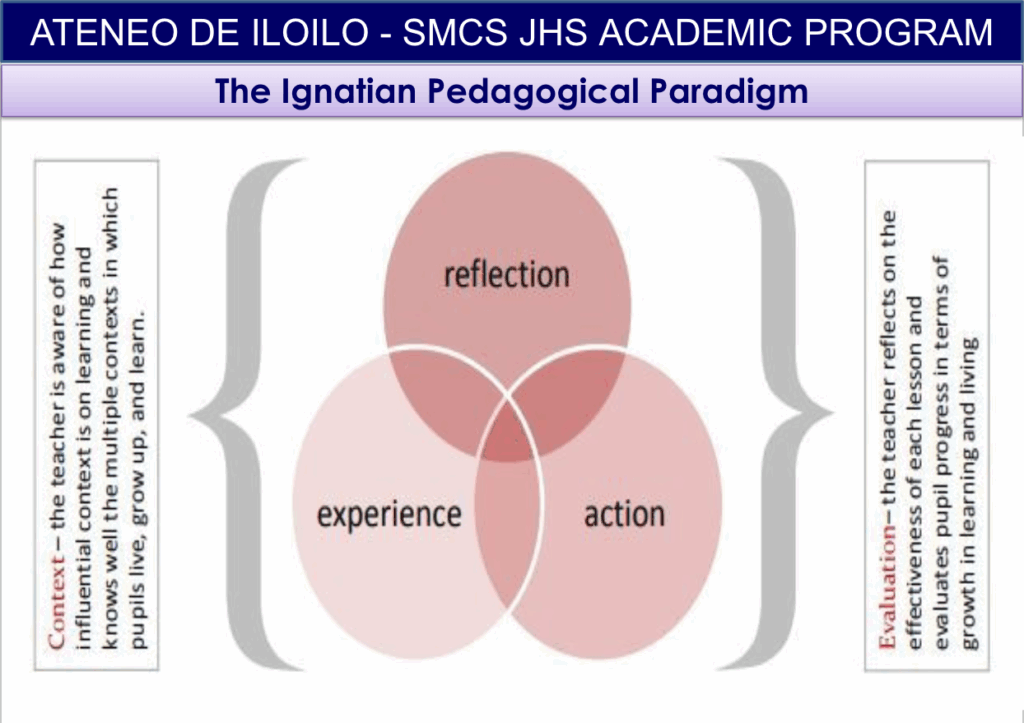
The Method of Jesuit Education – 25th Anniversary of the Ignatian Pedagogical Paradigm – Educate Magis. (2018, September 26). Educate Magis.
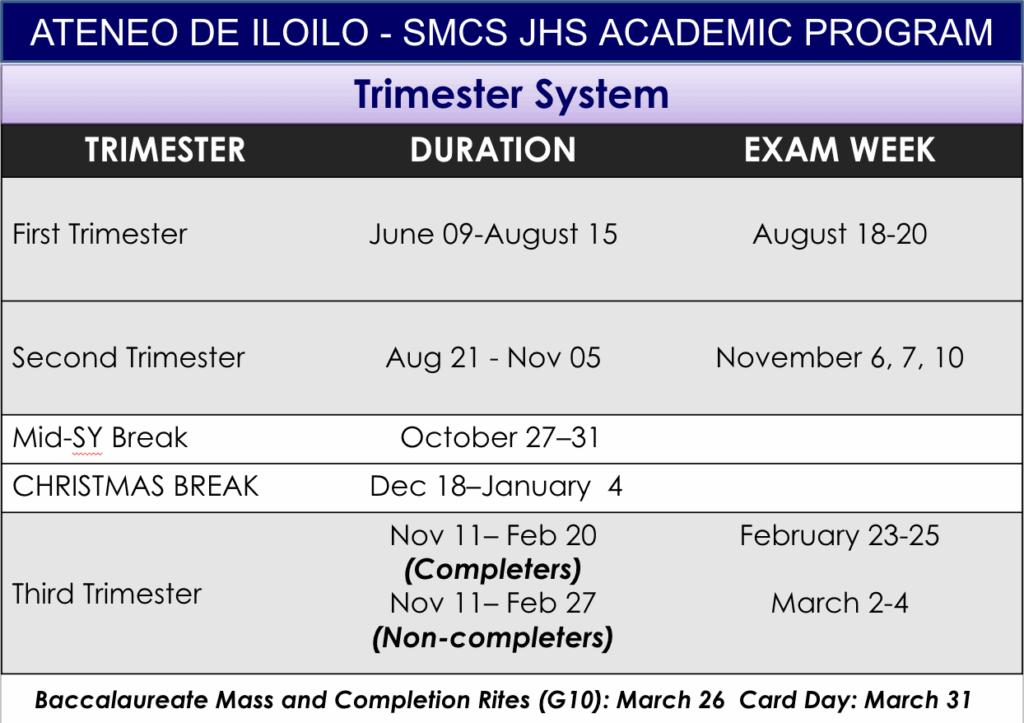
Focused Learning in the Junior High School Program Through the Trimester System
At Ateneo de Iloilo – Santa Maria Catholic School, our Junior High School Program follows a Trimester System designed to create focused and manageable learning periods for students in Grades 7 to 10. By dividing the academic year into three distinct terms, this system promotes continuous assessment, enabling teachers to closely monitor student progress and provide timely, constructive feedback.
This trimester structure helps Junior High students stay engaged by breaking the school year into shorter, goal-oriented segments that reduce burnout and encourage steady academic growth. It also offers more frequent opportunities for reflection and adjustment, so both learners and educators can promptly address challenges and celebrate achievements throughout the year.
Through this approach, our Junior High School Program fosters a dynamic and supportive learning environment where students build strong foundations in core subjects while developing effective study habits, self-discipline, and resilience. Ultimately, the Trimester System supports our commitment to personalized education, helping every Junior High student reach their fullest potential.
A Well-Rounded Curriculum in the Junior High School Program
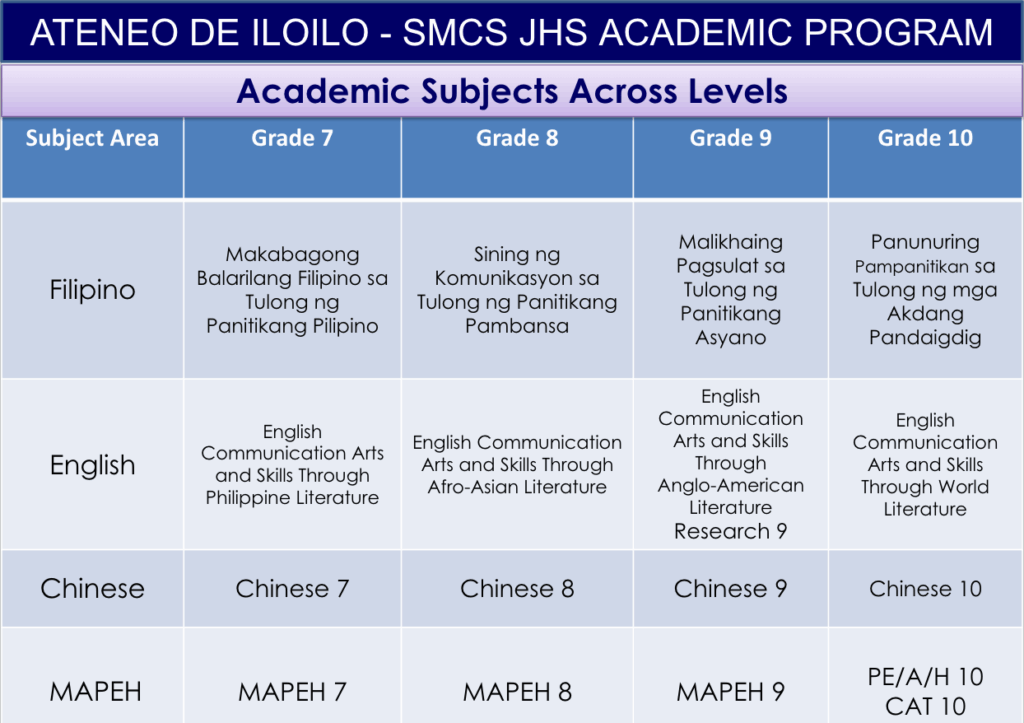
Our Junior High School (JHS) program offers students a comprehensive curriculum designed to develop their academic, social, and practical skills across a wide range of disciplines. This diverse course offering equips students with the knowledge and competencies needed to excel in high school and beyond.
Chinese
Students learn the Chinese (Mandarin) language and culture, fostering bilingual communication skills and cross-cultural understanding. This subject promotes global awareness and prepares students to engage in an increasingly interconnected world.
Christian Living and Values Education
This course nurtures students’ moral and spiritual growth by exploring Christian teachings and values. It encourages students to reflect on ethical principles and apply them in their daily lives, promoting character formation and social responsibility.
English
Focusing on language proficiency, literature, and communication skills, the English curriculum helps students develop critical reading, writing, speaking, and listening abilities essential for academic success and effective self-expression. In Grade 9, the program further incorporates research skills, guiding students to gather, analyze, and present information effectively—preparing them for advanced academic work and real-world communication.
Filipino
The Filipino subject strengthens students’ skills in the national language, deepening their appreciation of Filipino culture, literature, and heritage. It also enhances their ability to communicate effectively in diverse social contexts.
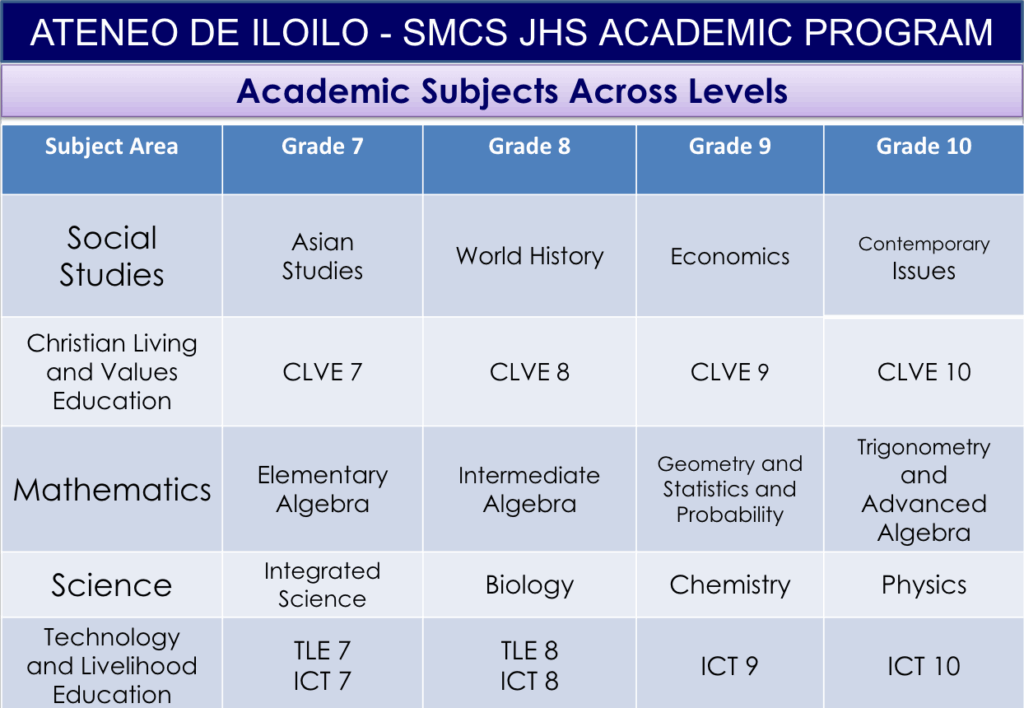
Mathematics
The Math program builds strong foundational skills in numbers, algebra, geometry, and problem-solving. It challenges students to think logically and apply mathematical concepts to real-world situations.
MAPEH (Music, Arts, Physical Education, and Health)
MAPEH offers a balanced approach to holistic development by nurturing creativity, physical fitness, and health awareness. Students engage in music and other forms of artistic expression, participate in physical activities, and learn essential health and wellness practices. Additionally, Citizens’ Advancement Training (CAT) is integrated in Grade 10 to promote leadership skills, community involvement, and responsible citizenship, helping students grow as well-rounded individuals prepared to contribute positively to society.
Science
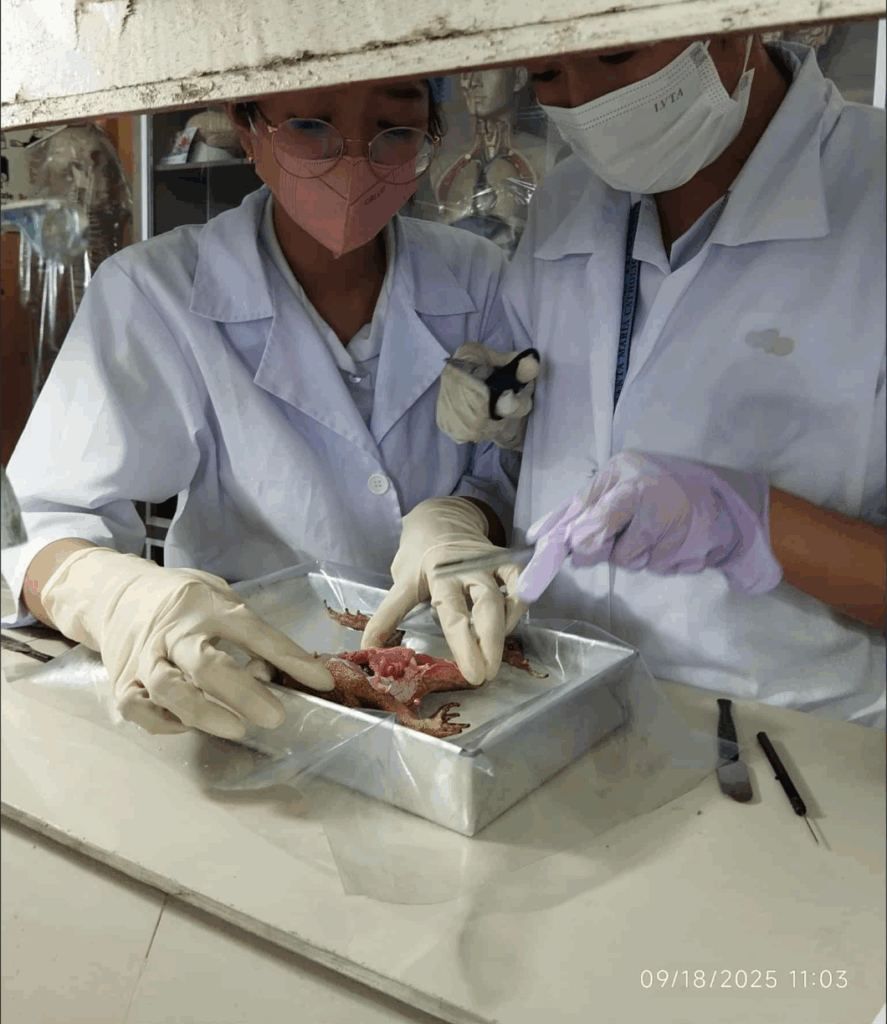
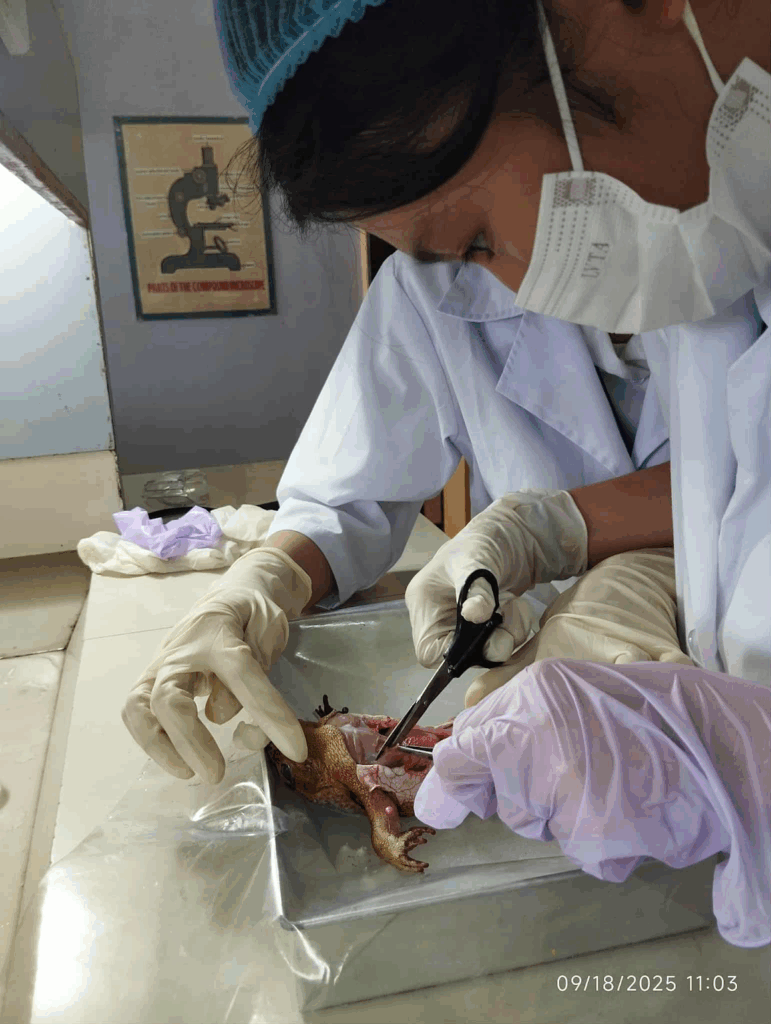
Science classes emphasize inquiry-based learning and experimentation, encouraging students to explore the natural world. The curriculum covers integrated science, biology, chemistry, and physics,, fostering curiosity and scientific thinking.
Social Studies
Social Studies helps students understand a broad range of topics including Asian Studies, World History, Economics, and Contemporary Issues. This subject deepens their knowledge of history, geography, economics, and culture, while developing awareness of current societal challenges. Through this comprehensive approach, students are empowered to become informed and responsible citizens who actively engage with the world around them.
Technology and Livelihood Education (TLE)
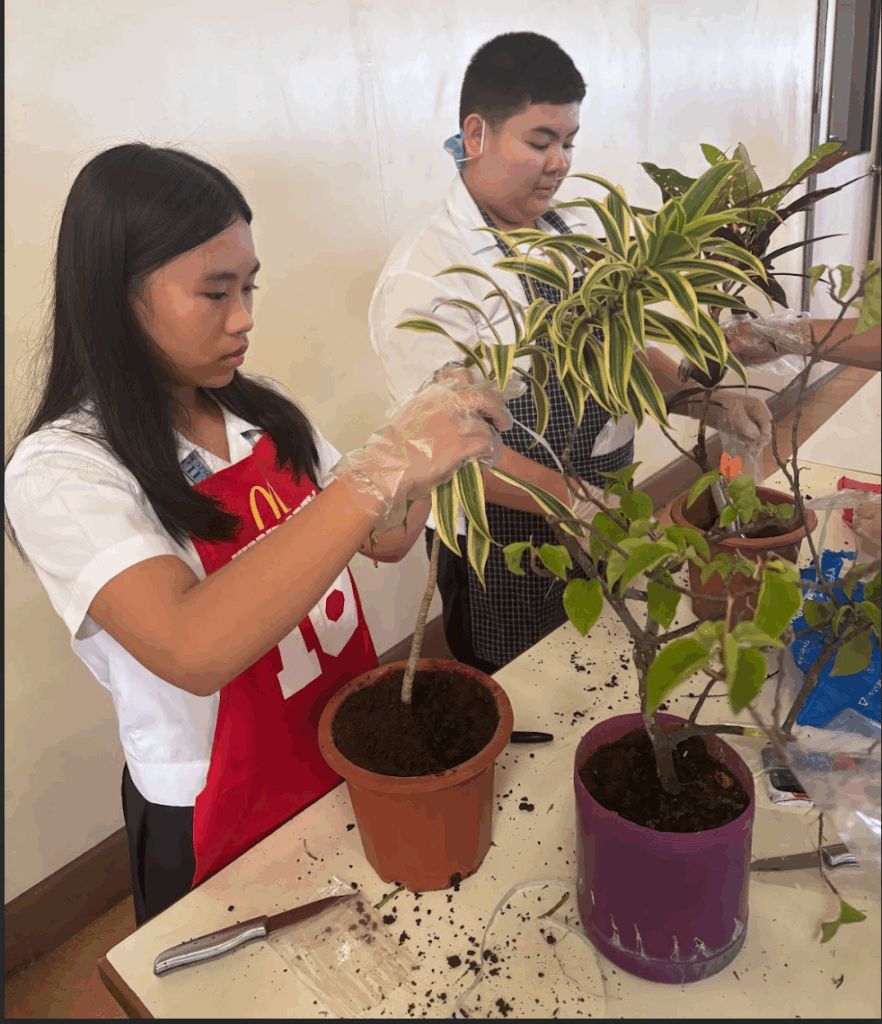
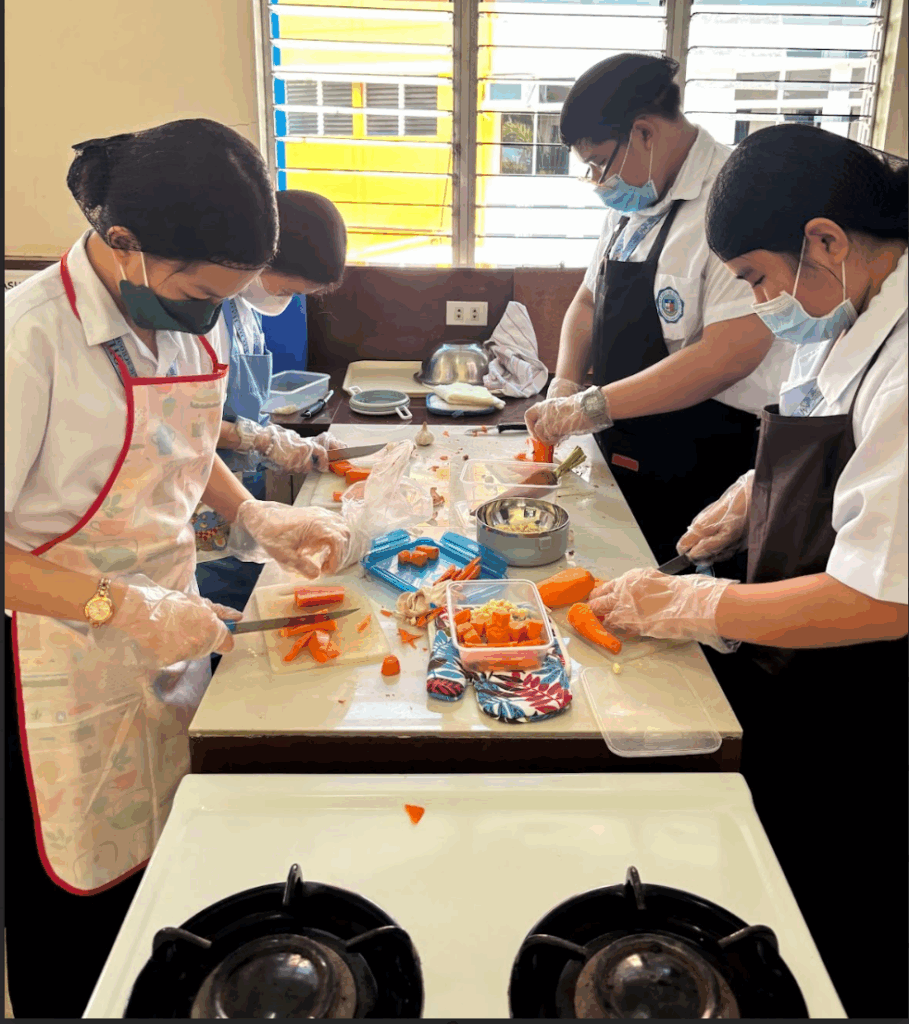
TLE provides practical skills training in areas such as home economics, industrial arts, and entrepreneurship. For Grades 7 and 8, the TLE Laboratory offers hands-on experiences that prepare students for everyday life and future career opportunities.
Information and Communication Technology (ICT)
Under the umbrella of TLE, ICT classes focus on building digital literacy and promoting responsible technology use. In Grades 7 and 10, students develop essential skills in computer applications, coding, and robotics, along with digital citizenship. This comprehensive approach prepares them to navigate and contribute effectively in an increasingly technology-driven world.
Senior High School Unit

Joevani S. Peñol
AP for Senior High School
: apshs@adi.edu.ph
: 333-3189 ext. 5117